May 1, 2026 | 5 min read
Do Not Greet Him Twice
On an overnight bus, one passenger is greeted twice and the route begins to forget where it is going.
Narrated by
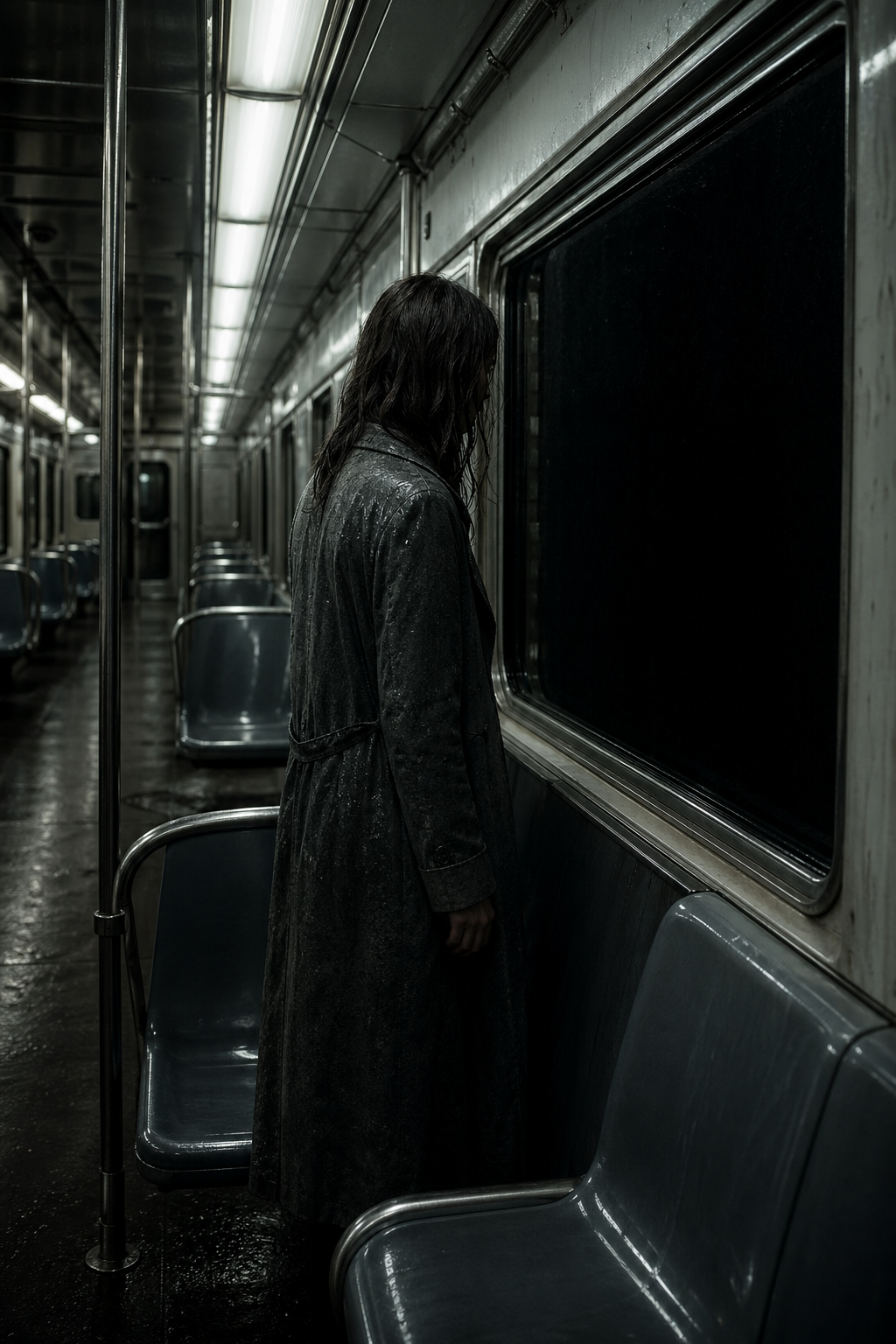
I took the overnight bus to Mawlamyine because my sister had written that our mother's fever had turned strange, by which she meant the old women in the lane were beginning to offer explanations in lowered voices. The bus left Yangon late, crowded with men carrying sacks, office girls going home for a wedding, and one novice monk asleep before we reached the highway.
At Bago, a man boarded wearing a long brown coat despite the heat. He carried no bag. That was the first thing I noticed. The second was that the driver, who greeted every passenger with the same bored nod, said to him, "You got on already," before stepping aside anyway.
The man smiled as if indulging a child. "Only once," he said, and took the last seat at the back.
People forget how carefully strangers are measured on a night bus. Who removes their sandals. Who keeps the window open. Who eats without offering. Who asks questions too early. By the first stop after midnight, everyone had marked the man at the back as wrong without speaking about it directly.
He did not sleep. Every time I turned, his eyes were open. Not fixed on me, not fixed on anyone, simply open in the manner of a person waiting for the others to finish pretending the journey is ordinary.
Around one in the morning, the conductor came through the aisle collecting the second half of the fares. When he reached the back, he hesitated. "Brother, I counted you before," he said.
The man gave a small, almost kind laugh. "Then count me again."
The conductor did. He took the note, tore the ticket, and moved on. I felt the woman beside me shift away from the aisle and tuck her hands into her shawl. She did not need to explain why. Some invitations are made with money just as clearly as with words.
At the next fuel stop, the novice monk woke and asked to use the toilet. The conductor, distracted and tired, touched the back-row man's shoulder on his way past and said, "Come down too if you need."
That was the second greeting.
Nothing happened immediately, which is often how people lose the will to believe they made a mistake. The engine started. We pulled back onto the road. Half an hour later the driver asked why the milestone signs were counting downward. Another woman swore the tamarind stand by the road had appeared twice. Then the monk began to cry in his sleep.
No one wanted to turn around, but everyone did. The back seat was empty.
I was the one who noticed the wet footprints. Not because I was brave. Only because I had already stopped lying to myself. They began at the rear step, as if someone had climbed in after the doors were shut, and ended beside the conductor's fold-down seat.
He saw them at the same moment I did. His face lost all color. "I greeted him twice," he whispered.
The driver heard. So did half the bus. No one mocked him. We had moved beyond that kind of stupidity.
An old woman in the front row took a packet of cheroots from her bag and began muttering prayers under her breath. The novice monk woke again and said, with the flat certainty children use when they are too frightened to sound frightened, "He is waiting for the one who invited him properly."
The conductor started apologizing to the dark at the back of the bus. He apologized to the empty seat, to the aisle, to the shut windows. The road ahead bent left where I knew it should have gone right.
At last the driver stopped the bus in the middle of nowhere and turned on every interior light. In the bright stale glare we all saw it at once: a second ticket stub pinned neatly under the conductor's punch board, still damp as if it had just been torn.
On the back, in the conductor's own handwriting though he swore he had not written it, were seven careful words:
"One more welcome and I can stay."