May 2, 2026 | 5 min read
The Children Under the Tamarind Tree
A man returns to his family compound in Mon State and learns why the children were never allowed to play under the great tamarind tree after the first rain of the season.
Narrated by
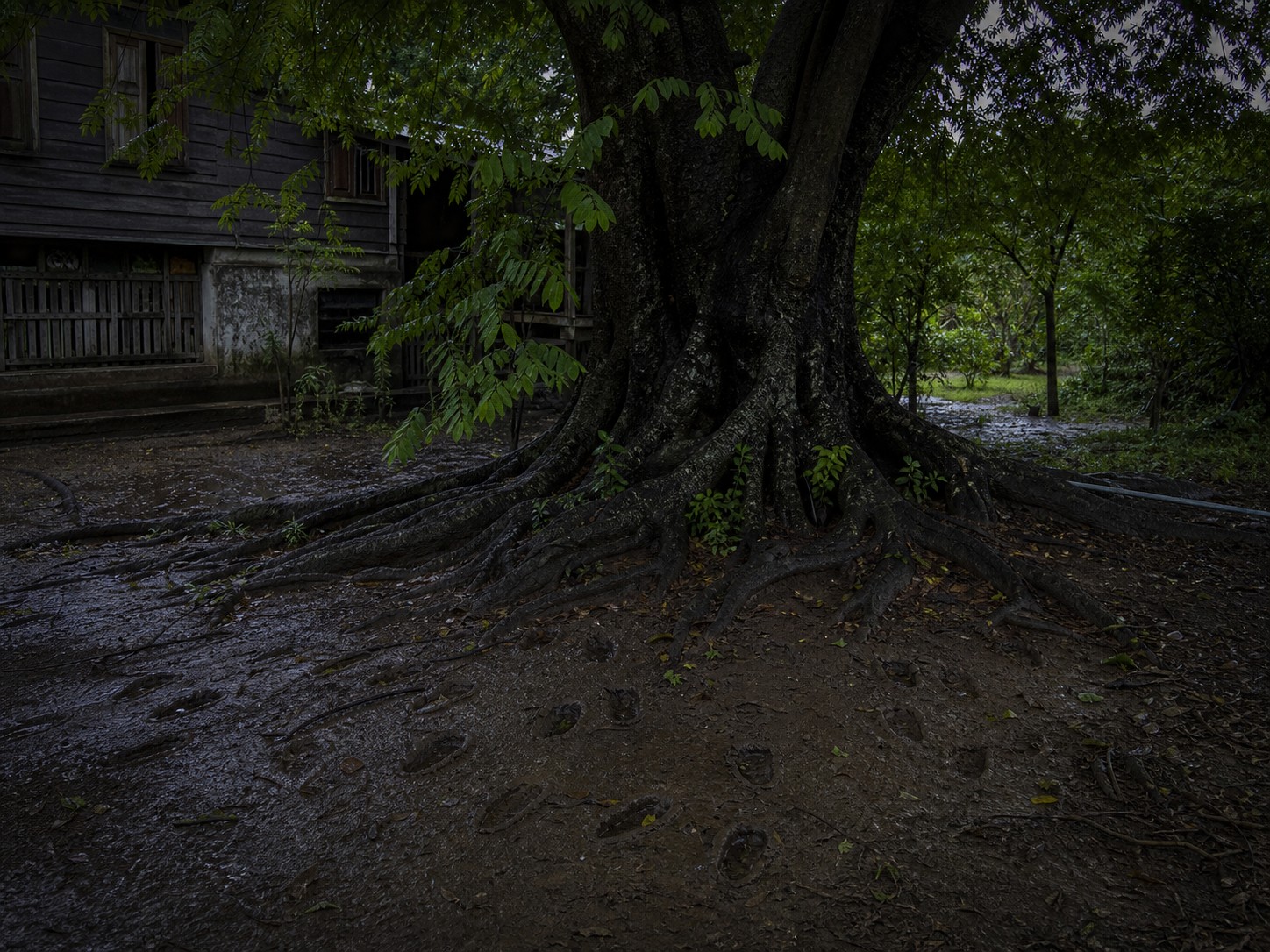
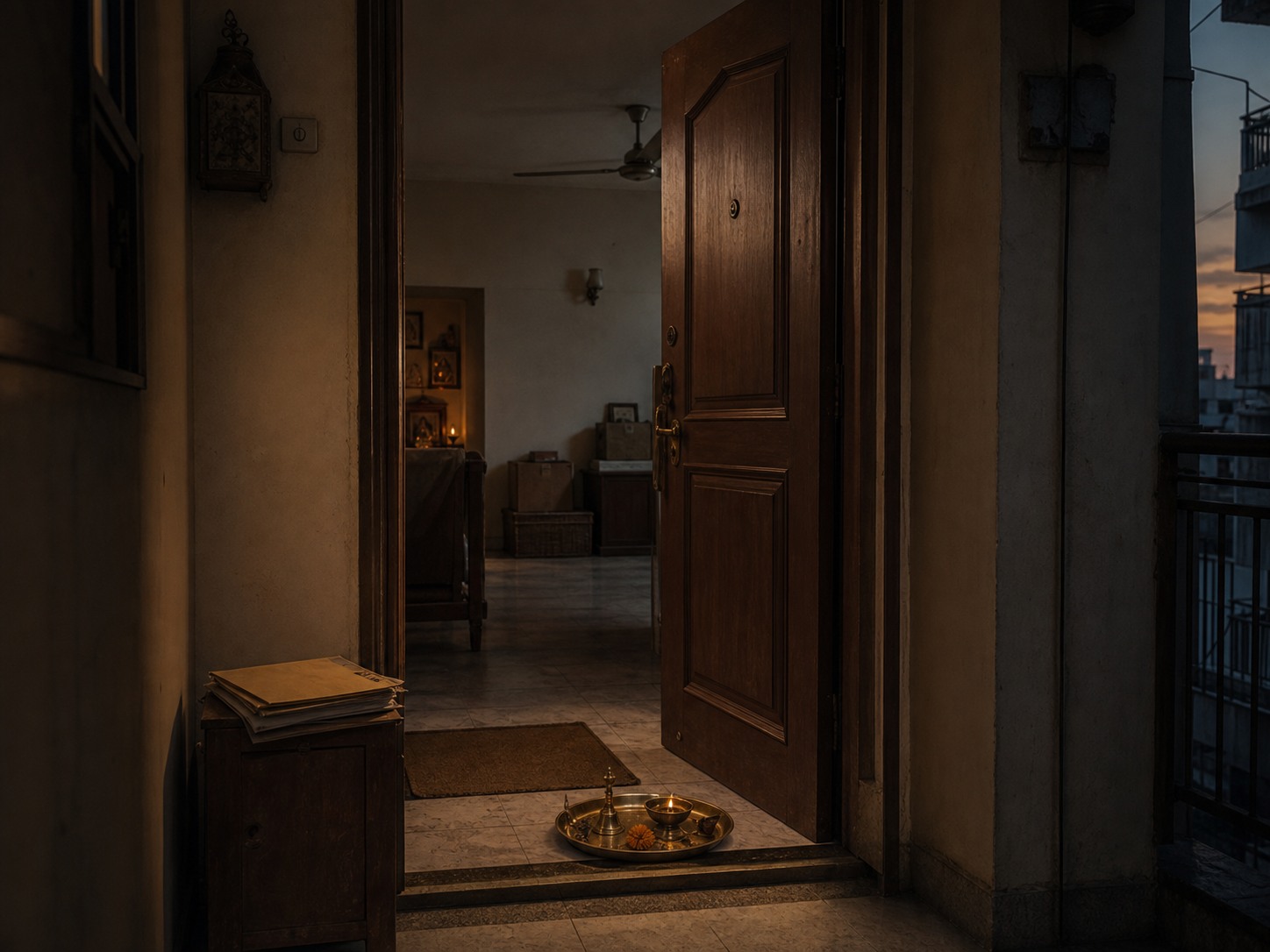
The family compound in Mawlamyine had changed little since I was a boy, except for the silence that now occupied the rooms like a new tenant. The old wooden house still smelled of cedar and woodsmoke, and the great tamarind tree at the edge of the garden still cast a shadow that felt like a physical weight on the grass. My grandmother used to say the tree didn't grow from the soil, but from the unsaid words of the people who had lived beneath it.
The first rain of the monsoon had just fallen, a sudden, violent downpour that left the air smelling of ozone, wet earth, and something metallic. My nephew, a boy of six with eyes like dark marbles, ran toward the tree to catch the falling fruit. I called out to him, but my voice was swallowed by the sudden, heavy silence that follows a storm.
He stopped at the edge of the drip-line, his body tensing. He wasn't looking at the fruit; he was looking at the roots. 'Uncle,' he said, his voice small and high, 'why are the other children hiding in the ground? They say it’s too cold to come out alone.'
I walked over to him, my heart hammering against my ribs like a trapped bird. There were no other children. The garden was empty. But as I looked at the dark, mud-slicked earth between the gnarled roots, I saw them. Not bodies, but deep impressions—perfect, child-sized shapes in the mud, as if several children had just been lying there, and the mud had memorized their weight.
The shapes began to fill with water, but the water didn't stay clear. It turned a deep, bruised purple, the color of overripe tamarind pulp. And then the voices started—a low, melodic humming that seemed to come from the wood of the tree itself, a vibration I could feel in my own marrow. It was a lullaby about things that never grow.
I grabbed my nephew and pulled him back. As I did, a hand erupted from the mud—a small, pale hand with fingers that looked like white roots and lacked joints. It grasped for his ankle, its grip leaving a smear of purple silt that felt like ice. I kicked at it, and the hand didn't break; it dissolved into a shower of black, wet leaves that smelled of the grave.
My grandmother came out of the house then, her face a map of old warnings and sharp grief. 'The tree remembers the ones who didn't grow up, Htun Win,' she said, her voice a whisper. 'After the first rain, the ground is soft enough for them to try and find a replacement. They don't want to be alone in the dark anymore. They want a heart that still beats.'
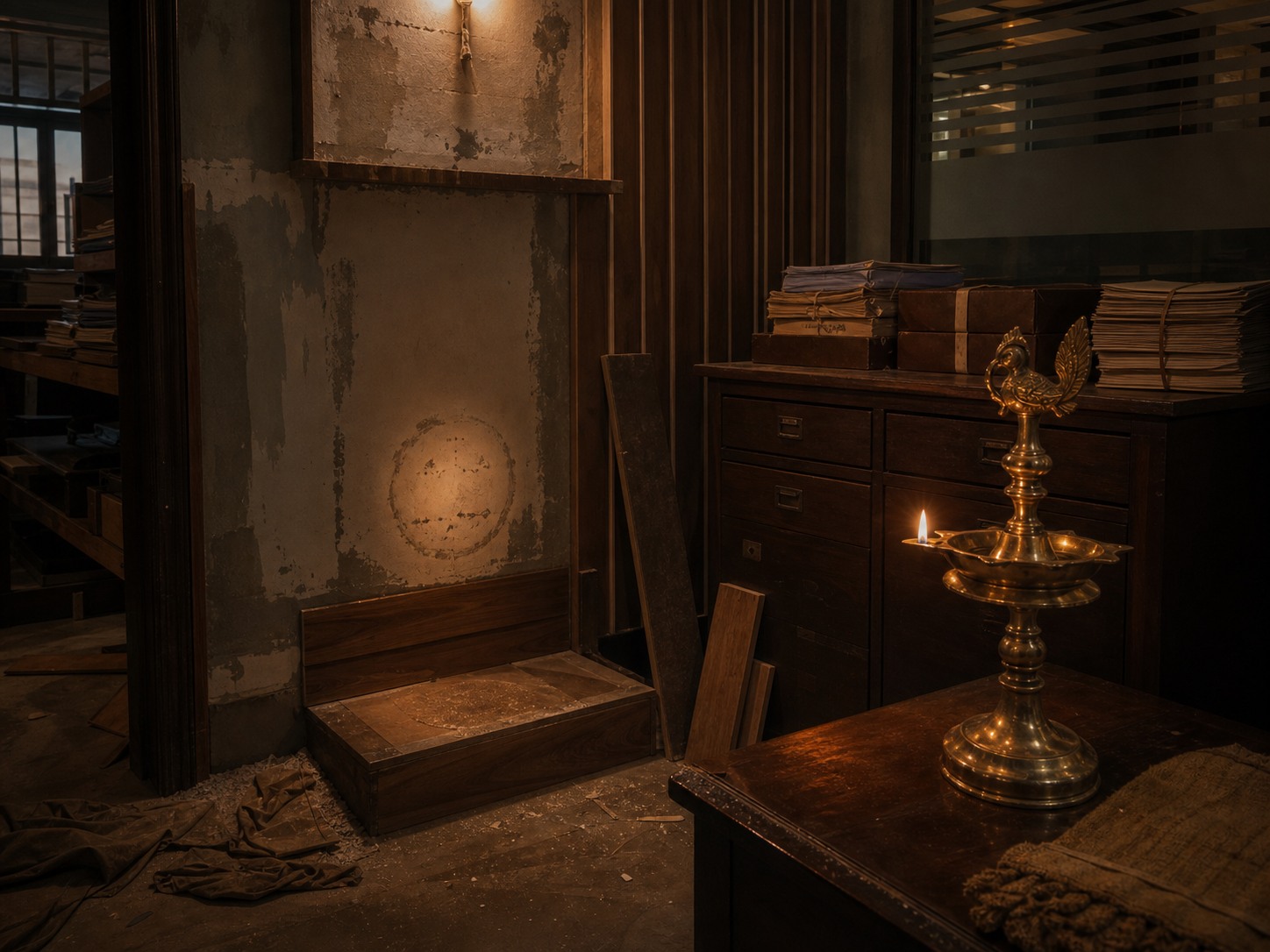
She led us back to the house and lit a stick of incense at the family altar, the smoke rising in a straight, defensive line. I looked back at the tree. The impressions in the mud were gone, replaced by a fresh layer of fallen leaves. But in the center of the roots, a new shape had appeared—the impression of my own hand, reaching toward the house, filled with that purple water.
We left the compound the next day. My nephew still has a faint, purple mark on his ankle that never fades, and it turns cold whenever the sky clouds over. He says that sometimes, when it rains, he can hear the tree calling his name, and he can feel the mud starting to move under his feet, even in the city.