May 1, 2026 | 5 min read
The Tablet Moved First
A family shop renovation goes wrong after the ancestral tablet is moved before anything else.

Narrated by

My cousin Paulo believed in efficiency the way other men believe in saints. When he bought the old herbal shop off Rua da Felicidade and announced he would turn it into a dessert cafe in three weeks, the family argued about plumbing, permits, and whether the lane could support another business selling sweetness to tourists. Only my aunt asked the question that mattered: what would he do with the ancestral tablet at the back of the shop?
"Put it somewhere safe until the paint is done," he said, already irritated.
She stared at him long enough that even Paulo looked away first. "Last," she said. "You move the stove first. The shelves first. The cash box first. The tablet last."
He did not argue with her in the room. He simply sent me a message the next morning asking if I could help supervise the contractors because, in his words, older relatives were making the place nervous.
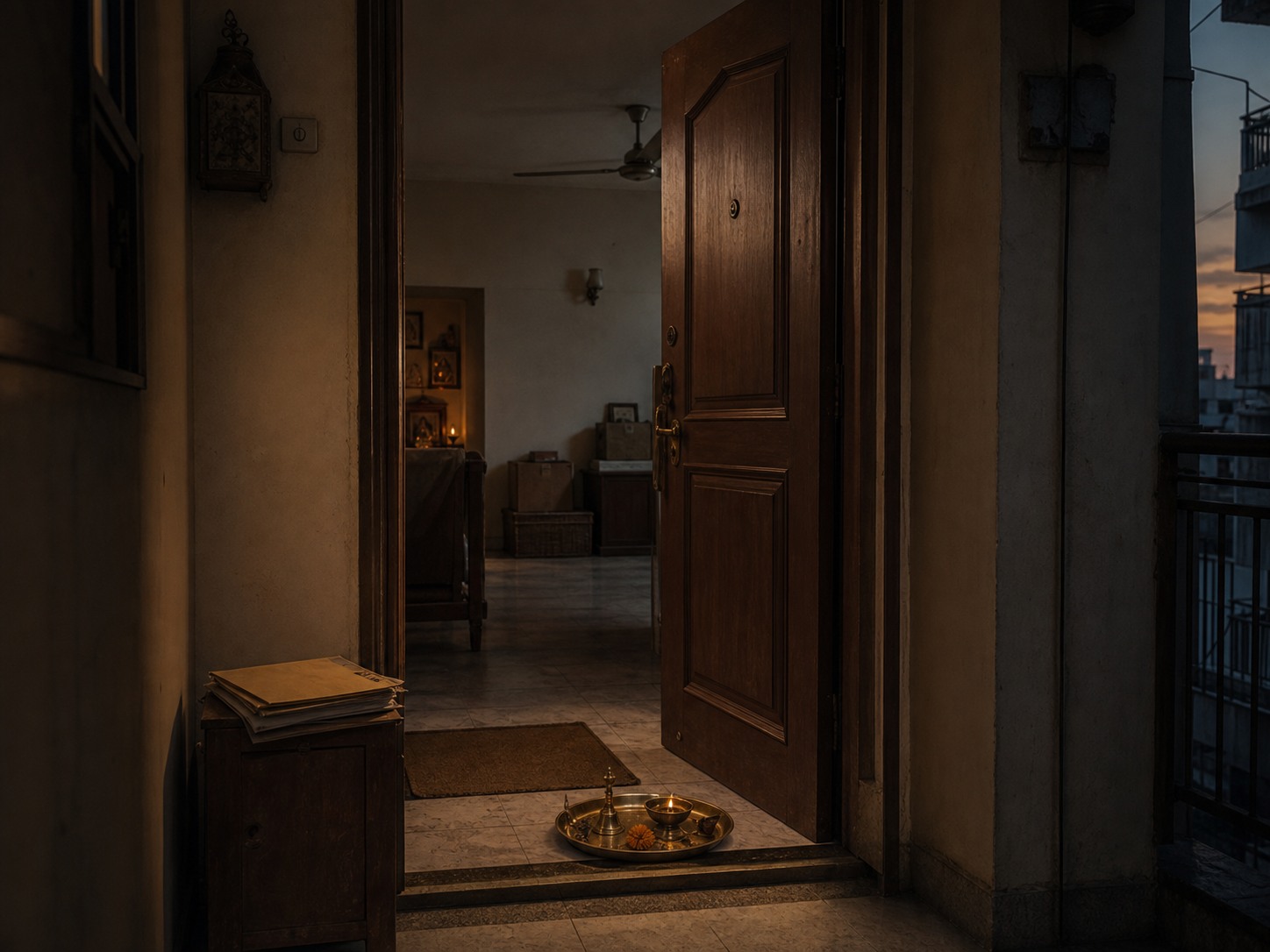
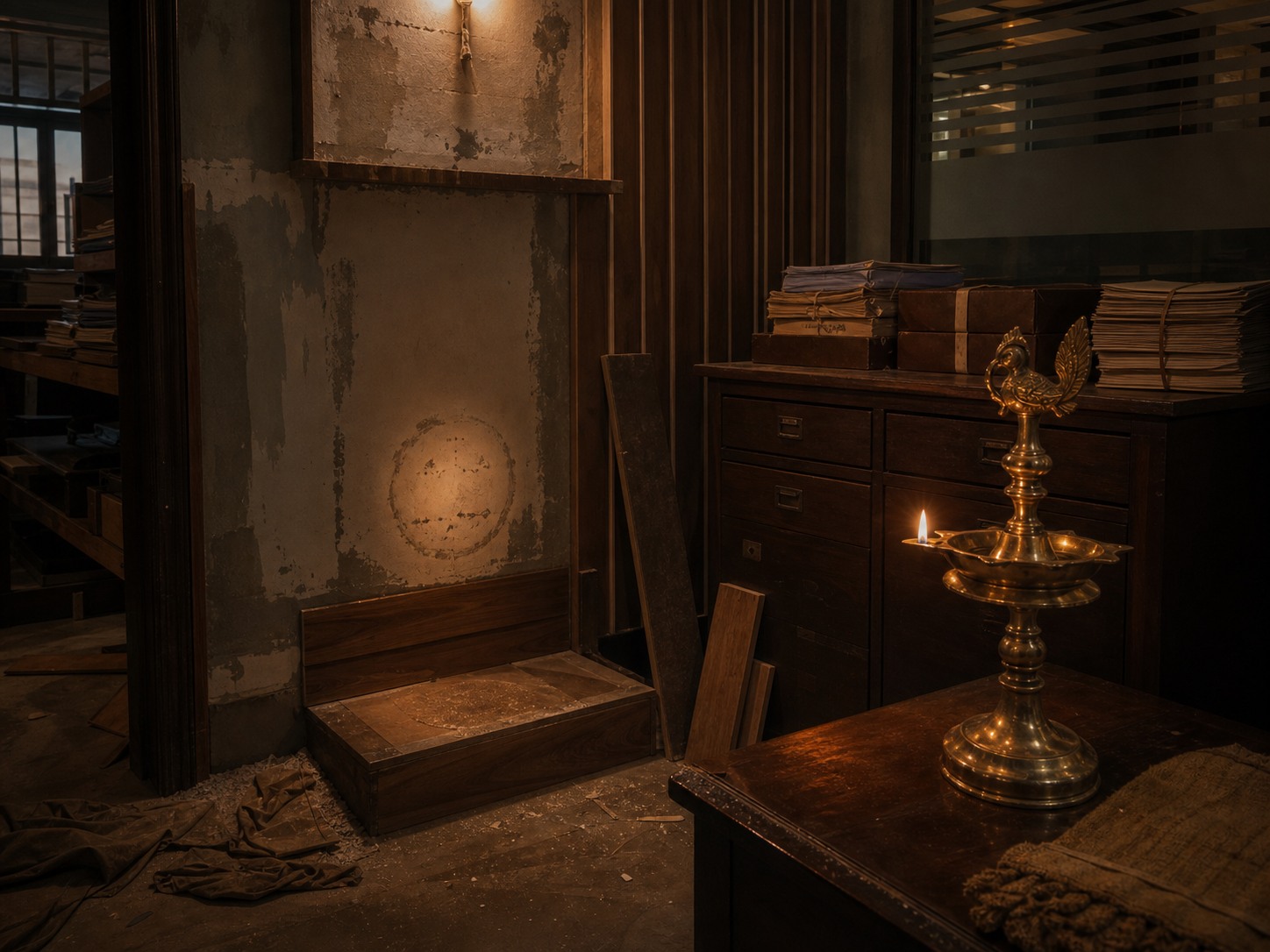
The shop was narrow and deeper than it looked from the lane, with jars of dried peel and roots still lining the back shelves. Beyond the counter stood a tiny recess no tourist would notice, where the tablet rested above two brass cups and a dish for fruit. Someone had already taken the oranges away. The cups were dry.
I found the tablet wrapped in moving cloth on a plastic chair near the front window.
"Who moved that?" I asked.
Paulo kept reading messages on his phone. "I did. Nothing happened."
He said it with the brittle calm of a man who has already decided that being wrong would be embarrassing.
By noon the electricians had lost power twice in one room while the rest of the shop stayed live. A painter spilled white primer only on the section of wall directly behind the recess where the tablet used to be. The delivery man bringing new chairs tripped over the threshold and split his lip on the doorframe though there was nothing underfoot. Paulo cursed, laughed, paid everyone extra, and called it renovation chaos.
I might have accepted that if the incense ash had not started bending the wrong way.
One of the older contractors, after seeing the wrapped tablet by the window, had quietly lit a stick beside it. The smoke rose straight. The ash should have fallen toward the street breeze leaking through the door. Instead it leaned inward, toward the back of the shop, as if something further inside were drawing on it.
I told Paulo to put the tablet back before anything else. He said he would do it after lunch because the tilers were using the recess wall.
At 2:17 p.m. the security camera over the register blanked for eleven seconds. We only knew the exact length because Paulo replayed it again and again later, his mouth hanging open like a fool's. Before the feed cut, the cloth around the tablet shifted though no one was near it. When the picture returned, the chair was empty.
We found the tablet standing upright in its old recess, unwrapped, with one of the brass cups overturned beneath it. Nobody admitted touching it. Nobody needed to. The room itself had answered for us.
Paulo went pale then, but still not pale enough to apologize properly. He only whispered, "Put the fruit back."
We set out oranges, tea, and fresh incense. The rest of the afternoon passed without broken tools or blood. The contractors even joked again. Paulo took that as proof the correction had worked.
At closing time my aunt came to inspect the place. She looked once at the tablet, once at Paulo, and asked, "Did you say sorry before or after you put it back?"
He said nothing.
She nodded as if she had expected that answer. On the counter beside the till sat the printed list of opening-day tasks Paulo had made that morning. Every item was crossed off except one I had not seen there before.
In handwriting none of us recognized, it said: Begin again.