May 1, 2026 | 5 min read
The Woman Who Came in Dreams First
A clinic records clerk keeps dreaming of the same woman before patient files begin disappearing.

Narrated by
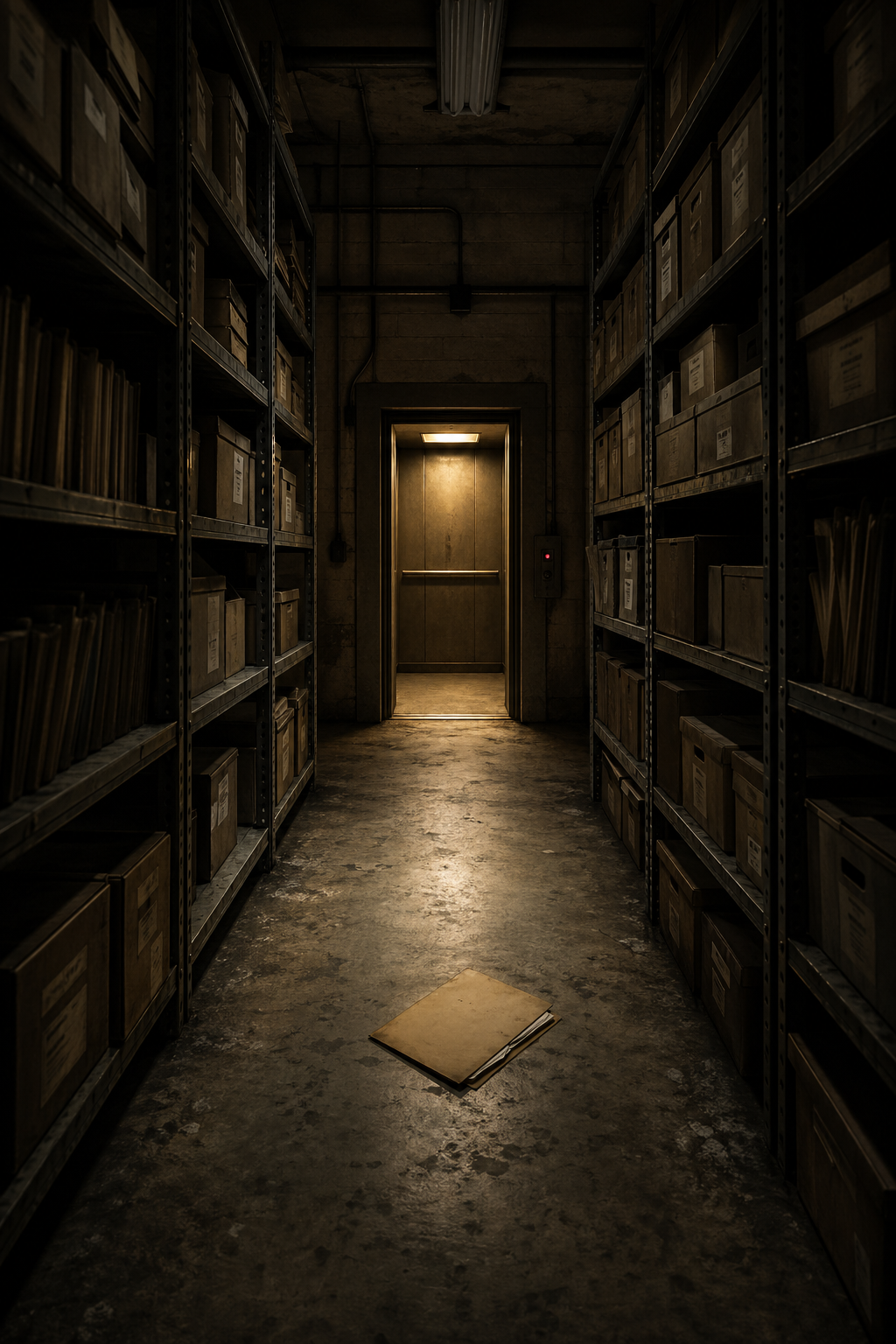
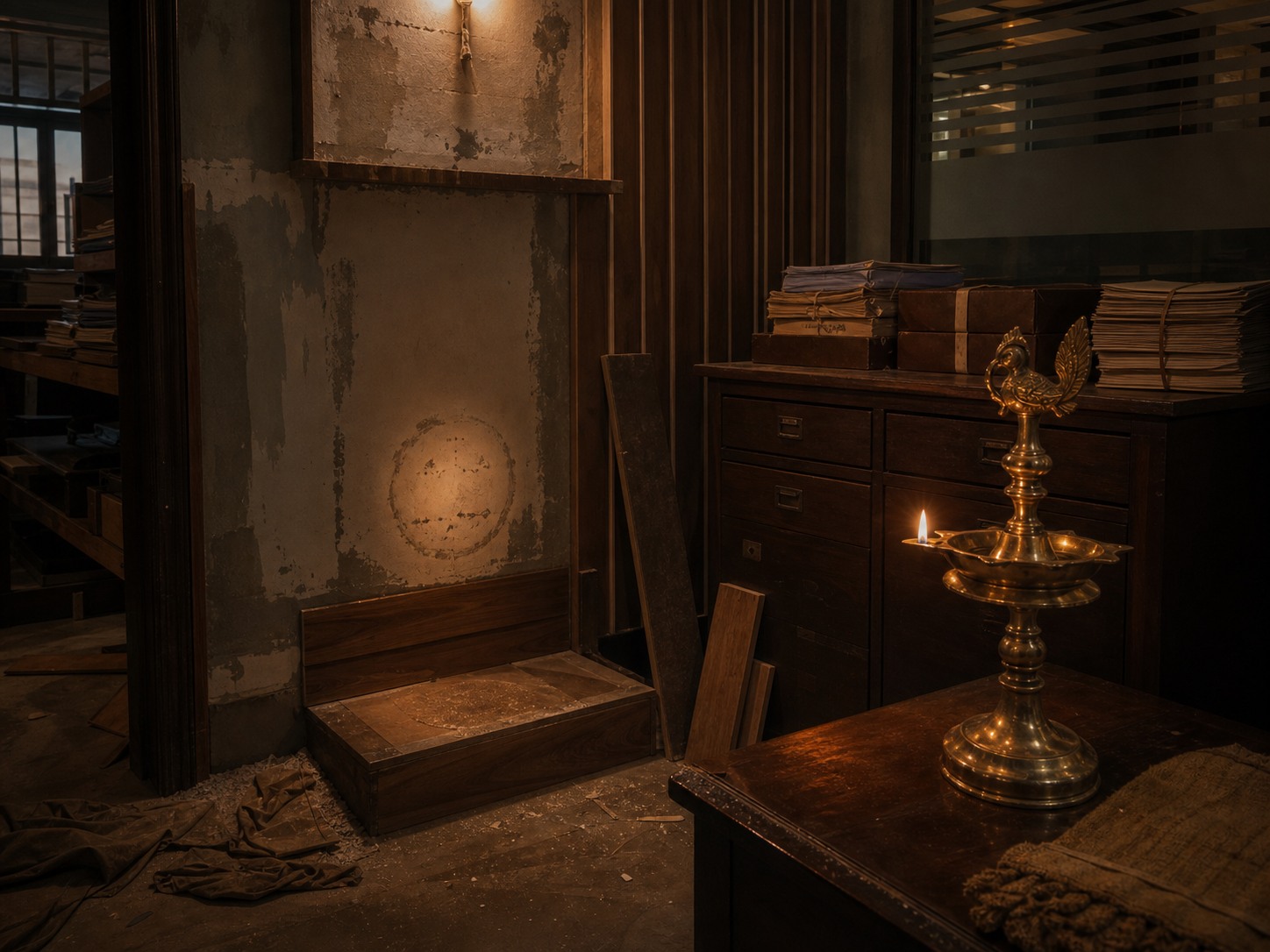
The township clinic kept its records in a room so hot by afternoon that the glue on old labels softened and curled. I worked there because it was steady, because my wife's brother knew the superintendent, and because papers are often simpler than people until they begin carrying the wrong kind of attention.
The dreams started three nights before the files went missing.
In the first dream I was alone in the records room after dark, though in waking life no one stayed there after six if it could be helped. A woman stood at the far shelf with her back to me, one hand resting on the drawer marked BIRTHS 1998-2004. She wore a faded nurse's cardigan and no sandals. When I tried to ask who had let her in, she raised one finger without turning around.
"You filed me under the living," she said.
I woke with the taste of metal in my mouth and found my wife already sitting up beside me. She asked whom I had been apologizing to in my sleep.
I did not tell her the details. Some dreams improve by daylight. Others grow teeth when spoken too early. I only stopped at the tea stall near the clinic and bought a small bunch of jasmine, which I left at the roadside shrine by the tamarind tree before starting work. The old woman sweeping there watched me and said, "Good. Better before the second dream than after."
That was how I knew she had seen my face properly.
The second dream came the next night. Same room. Same woman. This time the drawer behind her stood open, packed with files tied in blue string. Water dripped somewhere, though the floor stayed dry. She turned just enough for me to see her cheek, grey as paper left in smoke.
"If they ask for mine," she said, "do not let the new doctor sign it out."
"Which doctor?" I asked.
She smiled as if I had missed the point on purpose. Then I woke to the sound of dogs barking three streets away, all at once and then not again.
At the clinic the following morning, Superintendent Khin introduced a young doctor transferred in from Mawgyun. He was polite, overdressed for the heat, and already asking why the old files were kept on site instead of digitized. People liked him immediately because that is how charm works in bureaucratic places: it mistakes impatience for competence.
By noon he had requested three archived maternity folders, all dated within the same month in 2001. I carried them out myself and watched him sign the register. His pen paused over the line for a moment before finishing the last surname. The name he wrote there was not one of the requested patients. It was the one I had seen on the drawer in my dream, though I had never spoken it aloud.
Ma Hnin. Female. Deceased.
I asked where he had got that fourth file number. He looked at me mildly and said, "It was already clipped to the others."
It was not.
I know the exact shape of the lie because I watched it enter the room before he did. From then on I should have acted faster. Instead I did what clerks and timid men do best: I recorded the irregularity neatly and hoped writing it down would count as resistance.
That night the woman came again. Not in the records room this time but at the foot of my bed, water-dark hair hanging forward as if she had walked a long way in rain.
"Tomorrow they will say termites," she told me. "After that they will say flood. When the drawer is empty, they will say nothing."
"What do you want from me?"
"Not want," she said. "Warning." She looked toward my sleeping wife and lowered her voice. "If he asks where the duplicate register is kept, lie badly."
At work the next morning, the three maternity files were gone. So was the sign-out sheet page itself, neatly torn from the ledger. The young doctor had not come in. Superintendent Khin blamed a filing mistake, then a cleaner, then humidity. By eleven he was saying we should not overreact until we checked every shelf.
Just before lunch, the doctor did come back. He stood in the records doorway with his sleeves rolled higher than yesterday and asked, as pleasantly as if we were discussing tea, where the duplicate register for births and deaths was stored before audit copying.
I lied badly.
"In the old pharmacy cupboard," I said, pointing to the annex where everyone knew only expired bandages and broken fans were kept.
He studied me long enough that my neck went cold. Then he thanked me and walked away.
An hour later, one of the ward boys found him unconscious on the annex floor beside the rusted cupboard, nose bleeding, both hands blackened with mold from trying to force a lock that had not been used in years. He insisted someone had shut him in with a wet-haired nurse who kept asking why he needed records for women who had already been buried.
The superintendent called it heatstroke. The ward boys crossed themselves in three different religions and said nothing in front of him.
That evening I checked Drawer 14 before going home. Behind the birth folders sat a single file tied in blue string, the paper crisp and dry despite the damp room. No patient summary. No chart. Only one intake form bearing the name Ma Hnin and a red note across the top in handwriting I did not recognize.
Transferred out before death confirmation. Return to correct ledger.
I locked the drawer, made a small offering at the tamarind shrine, and told my wife we should not speak the clinic doctor's name inside the house for a while. She asked whether the dreams had stopped.
I said yes, which was true until that night.
In the last dream the woman's place at the shelf was empty. The drawer marked BIRTHS 1998-2004 stood closed, and from somewhere deeper in the records room a man I had never met was knocking from inside a cabinet, asking whether this was the ledger for the living.